

It's been an eventful week in the world of international hockey. First the Court of Arbitration for Sport (CAS) ruled that the International Ice Hockey Federation must allow Russian teams back into its many tournaments. The World Championships, world U18s, and the World Junior U20 championships were all suddenly thrown a knucklepuck.
The IIHF has to abide by the ruling of the the highest court for sport, even in cases where it doesn't agree with a ruling, or it risks losing legitimacy across the board. That fact, along with the questionable ruling, meant that Russia suddenly looked like its teams were going to be inserted back into international play. There are a lot of logistical and moral reasons why that was problematic.
International community unites
There were a number of statements of disappointment issued by national hockey organizations, including Hockey Canada and Adam van Koeverden, the nation's Secretary of State for Sport, with the ruling in the 24-48 hours that immediately followed, but for a while it seemed unclear as to how it would all play out. Host nations suddenly faced challenging security and safety questions, and bottom-seeded teams were wondering how they'd be affected by the potential inclusion of the Russians (and Belarussians).
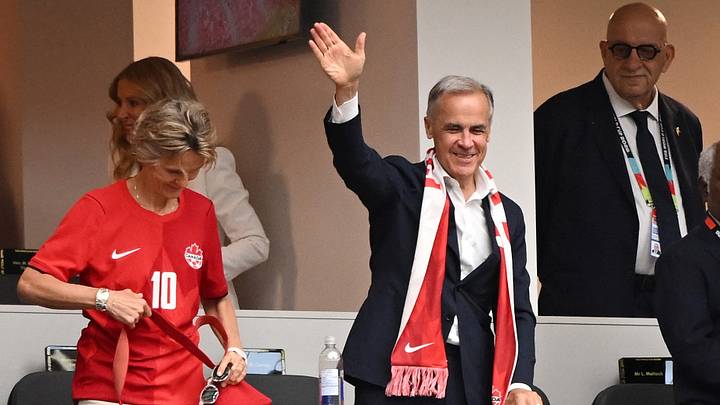
Then nordic national hockey asociations jointly announced their teams won't play in any game where Russia is an opponent. That united proclamation, followed by others such as Czechia, paved the road for the latest announcement, from Canada's Prime Minister Mark Carney. As the next country hosting an international ice hockey tournament, Canada's statement is a loud one, and it's made easier by the simple logistical fact that most of the qualified teams simply refuse to play against Russia. It also gives future hosts a blueprint, and a precedent.
The continued ban, in whatever form is takes, still makes sense on the political stage. It is a pity that young, talented Russian players who have no say in their government's foreign policy, will continue to miss out, but hopefully, one day the leverage provided by the potential national pride in a tournament victory will pave the path toward peace.
 Add us as a preferred source on Google